

Running vs. Walking: Understanding the Right Foot Landing Technique
Walking and running are two of the most natural movements we perform as humans. They look similar on the surface—one foot in front of the other, moving forward—but the mechanics beneath each step are completely different. These differences matter more than people realize, especially when it comes to avoiding injuries, moving efficiently, and feeling confident during exercise. One of the most important aspects of both walking and running is foot strike—the point of your foot that makes contact with the ground first.
Most people never think about it until they experience pain or start a fitness routine. But understanding how your foot should land can change everything: your comfort, your endurance, and your long-term health. In this article, we’ll break down the proper foot landing technique for both walking and running, why each one is different, and how you can adjust your stride to move better and feel better.
Walking: Heel First Is the Natural and Correct Technique
Walking is a low-impact, controlled movement. At any given moment, at least one foot is in contact with the ground. This gives your body time to distribute weight, absorb impact, and transfer energy smoothly from one step to the next.
A proper walking stride begins with a heel strike. When your heel touches the ground first, your body naturally shifts weight forward into the midfoot, then toward the toes as your body prepares for the next step. This rolling motion is efficient, stable, and gentle on the joints.
Many walking-related injuries come from trying to override this natural pattern. Some people try to walk by landing on the midfoot or even the forefoot, thinking this technique might be healthier or “more athletic.” In reality, walking with anything other than a heel strike increases tension on the calves, Achilles tendon, and toes. It also disrupts the natural mechanics of the hips and lower back.
Simply put:
When you walk, heel-first is not just acceptable—it’s ideal.
This movement pattern has evolved with the human body, and it provides the most cushioning and stability for daily walking, fitness walks, and long-distance walks.
Running: Why the Foot Strike Changes Completely
Running is an entirely different movement, even though it shares some of the same mechanics. Unlike walking, running includes a flight phase—a moment when both feet are off the ground. This creates more impact forces and requires the body to manage those forces quickly and efficiently.
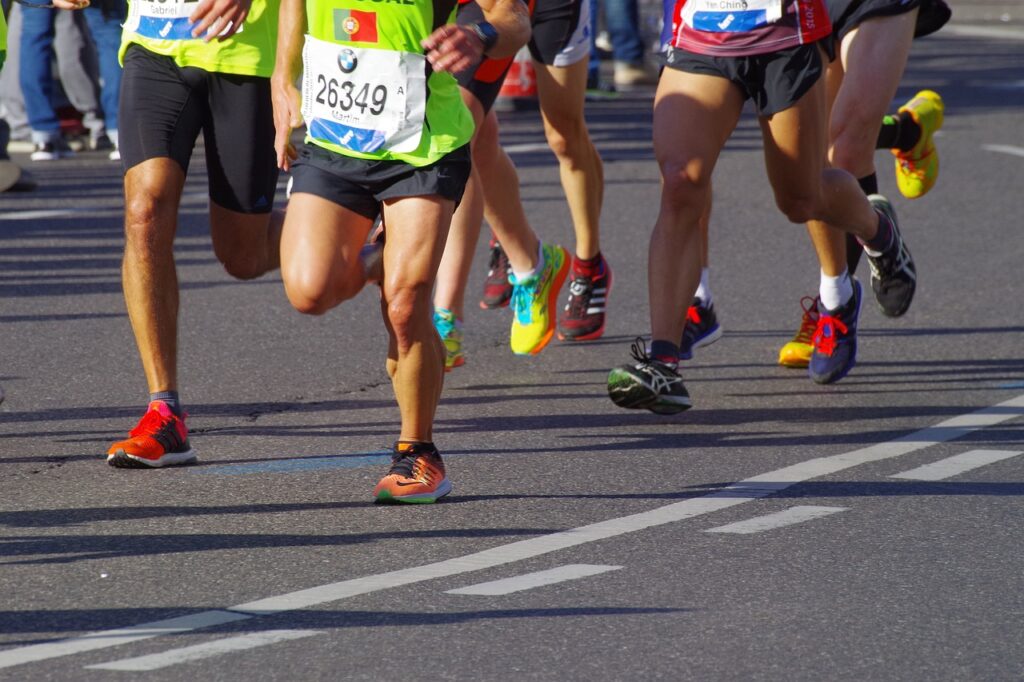
Because the impact is higher, landing on the heel while running—especially if the heel lands far in front of the body—can create unnecessary stress on your knees, shins, and hips. This is known as overstriding, and it is one of the most common causes of running injuries.
This is where the midfoot strike becomes beneficial.
What is a midfoot strike?
A midfoot strike means the middle of the foot lands first, roughly underneath your hips and center of gravity. The foot makes quick, light contact with the ground and immediately transitions into pushing off.
A midfoot landing while running offers several benefits:
-
Reduced impact on the knees
-
Better balance and control
-
Smoother, more efficient stride
-
Lower risk of overstriding
-
Better shock absorption through the entire lower leg
It’s important to note that heel striking while running is not always “wrong.” Some elite runners heel strike slightly, but their heel lands under the body—not ahead of it. The problem occurs when the heel lands too far forward, acting like a brake and sending shockwaves through the joints.
For recreational runners, beginners, and people working on form, a comfortable midfoot strike is often the most efficient and safest approach.
Why Foot Strike Matters More Than People Think
Foot strike affects nearly everything else in your running or walking form:
1. Joint Impact
Heel striking while running creates higher loading on the knees, while midfoot striking spreads impact across the foot and lower leg.
2. Stride Length
A heel strike often comes with long steps. A midfoot landing encourages shorter, quicker steps.
3. Cadence (Steps Per Minute)
A midfoot strike naturally increases cadence, which improves efficiency and reduces injury risk.
4. Balance and Stability
Landing under your body creates better alignment and reduces side-to-side motion.
5. Energy Efficiency
Overstriding wastes energy; a midfoot landing preserves it.
Small adjustments in foot landing can lead to noticeable improvements in your comfort, speed, efficiency, and overall confidence.
How to Transition to a Midfoot Strike (Without Pain)
If you’ve spent most of your life running with a heel strike, transitioning to a midfoot landing should be done gradually.
Here are simple, safe steps:
1. Focus on shorter steps
Shorter strides naturally bring the foot under your center of gravity.
2. Increase your cadence
Aim for 165–175 steps per minute. Use a metronome or running playlist to help.
3. Lean slightly forward from the ankles
Not the waist. This encourages natural midfoot contact.
4. Keep your posture tall
Relax your shoulders, lift your chest, and let your arms swing comfortably.
5. Start with short runs
Practice midfoot landing for just a few minutes at a time and increase gradually.
6. Avoid thinking too much about it
Over-correcting can lead to stiff movement. Keep it natural and light.
Common Mistakes When Trying to Change Foot Strike
When runners try to force a midfoot strike, they often make these errors:
-
Landing on the toes instead of the midfoot: This leads to calf and Achilles issues.
-
Stiffening the ankles: This prevents natural shock absorption.
-
Leaning forward too much: This strains the lower back.
-
Running too fast too soon: Midfoot technique requires gradual adaptation.
Remember: midfoot landing is meant to feel light, quiet, and natural—not forced.
Final Thoughts: Walk With Your Heel, Run With Your Midfoot
Understanding your foot strike is one of the simplest and most powerful ways to improve your movement. Whether you’re walking for health, running for fitness, or returning to exercise after time away, this knowledge helps you move with confidence and avoid common injuries.
Here’s the rule to remember:
Walk with your heel. Run with your midfoot.
These small adjustments not only protect your body but also help you enjoy the process more. Movement should feel natural, empowering, and sustainable. With the right technique, every step becomes a step forward in your journey to a healthier and happier lifestyle.
If you enjoy clear, practical guidance like this, I invite you to explore more articles on my website. My goal is to help you stay motivated, stay consistent, and stay confident in your fitness journey—one step at a time.
NR

Leave a Comment